Why use a cat shedding brush?
Cats groom themselves constantly, and every pass of the tongue pulls in loose hair. A lot of it moves through and comes out the other end. The rest clumps in the stomach and comes back up as a hairball. A deshedding brush for cats lifts some of that loose fur out before your cat swallows it, and it gives you a regular look at the coat: tangles, scabs, and bald patches are easy to miss until they are obvious.
A brush will not cure anything. If your cat throws up hairballs all the time, loses weight, or stops eating, see a vet instead of buying a firmer tool. Grooming is maintenance, not medicine.
Stick with tools made for cats. Their skin is thin and they react fast to pulling. Rounded tips, soft bristles, or a glove are better starting points than a wide undercoat rake built for a heavy double coat. Check the label to make sure the thing is actually meant for a cat.
Is a deshedding brush for cats different from a shedding brush?
Mostly it is marketing. A deshedding brush for cats and a "shedding brush" are usually the same kind of tool aimed at the same job: lifting loose hair out of the coat before it lands on the furniture or ends up in your cat's stomach. The word that matters is not on the package. It is in the tool.
What counts is the design. A cat-safe tool has rounded tips or soft bristles, a head small enough to control, and teeth or pins spaced for fine cat fur rather than a heavy double coat. Something marketed as a deshedding tool that is really a wide dog rake will grab and pull. When in doubt, pick the gentler tool.
Short-haired cats: keep the routine simple
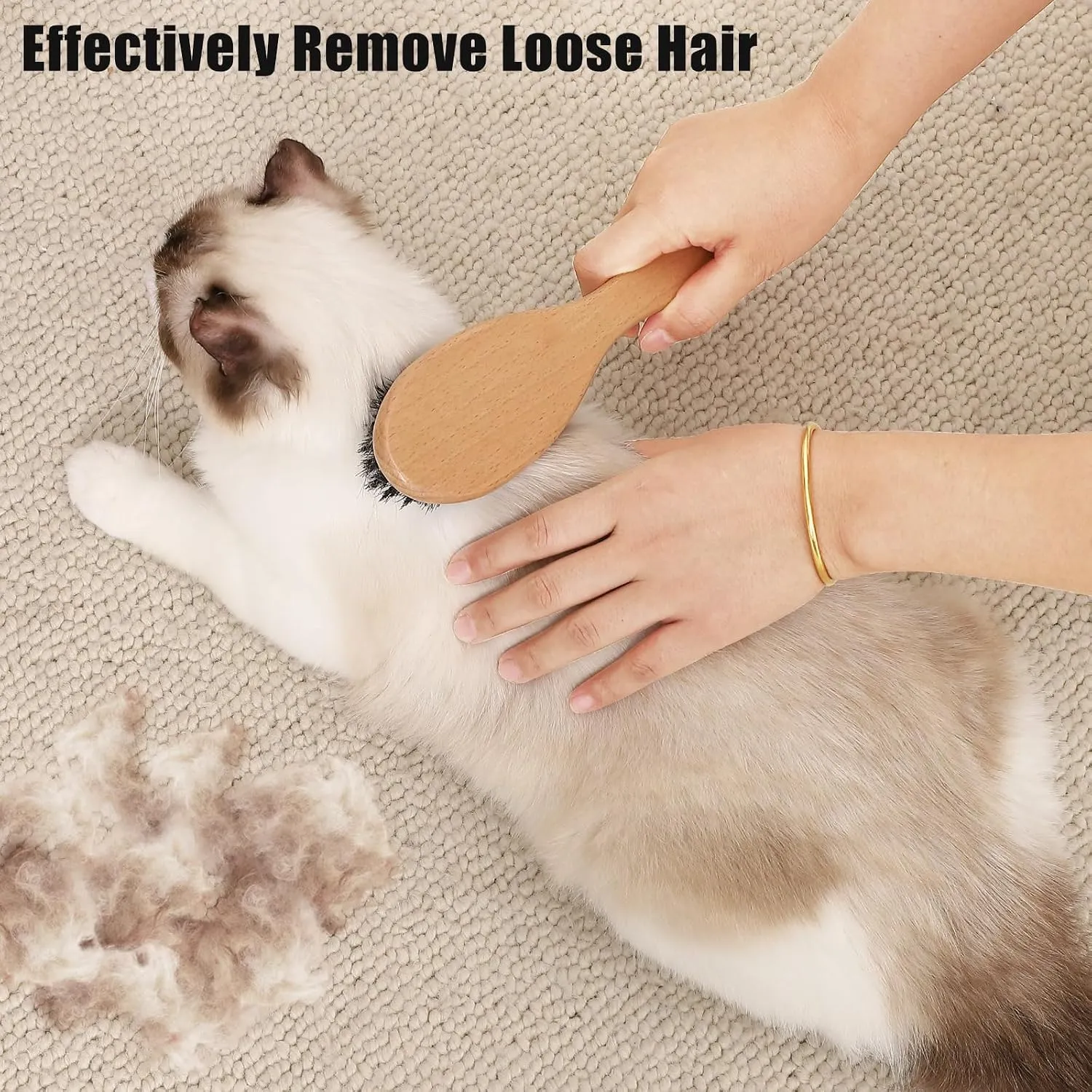
Most short-haired cats do not need much. A soft-bristle brush, a rubber tool, or a grooming glove picks up loose surface hair without digging into the coat. Start on the back and sides where your cat already likes being touched. If the chest or flanks are off-limits, skip them. Short sessions beat long ones every time.
Some short-haired cats still shed a surprising amount when the seasons shift or the furnace kicks on. That does not mean you need an undercoat tool. Try a gentle brush first and look at the coat afterward. If the tool snags or leaves the hair rough, switch.
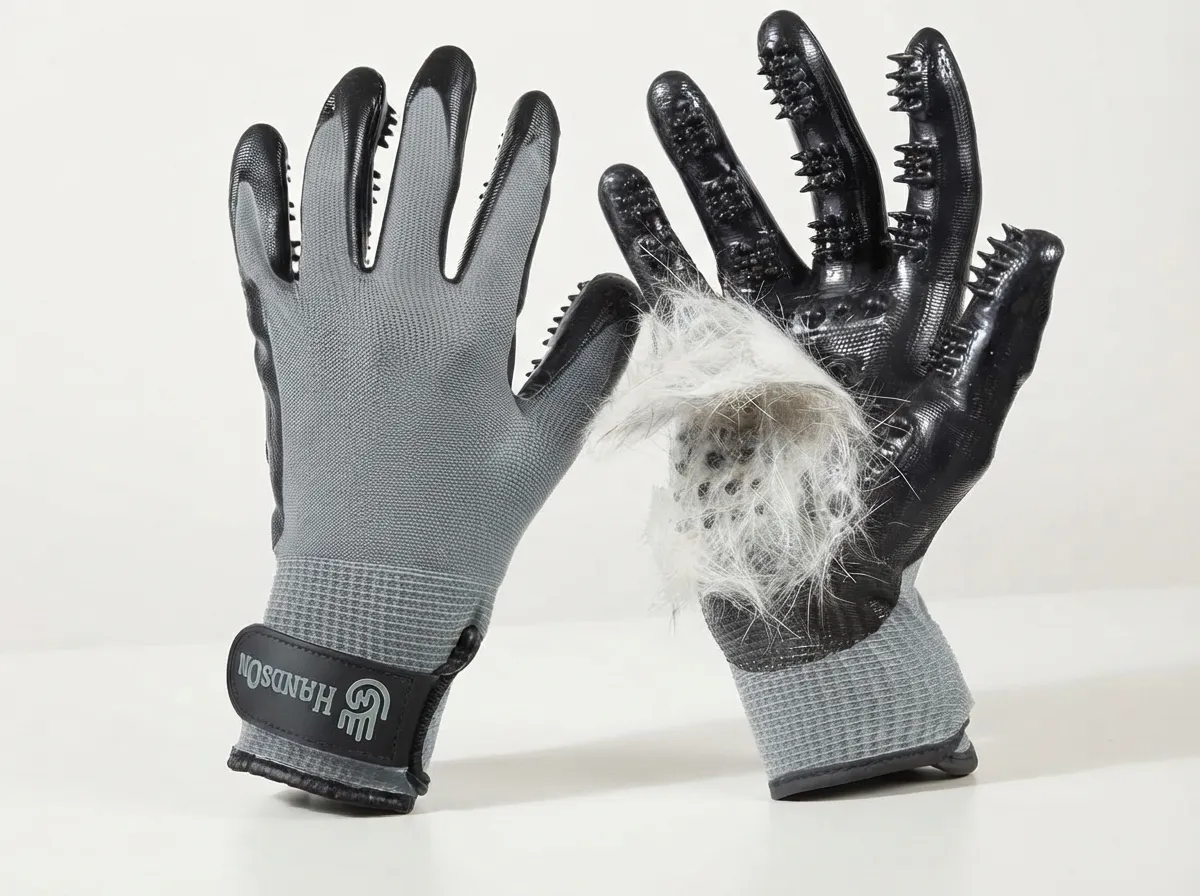
A grooming glove is a good trick for cats that love petting but bolt when a brush appears. It collects hair through a motion they already understand. Let the cat sniff it first, touch it once, and reward the calm. Do not hold the cat down with it; that is how you teach a cat to hate the glove.
Long-haired cats: detangle before deshedding
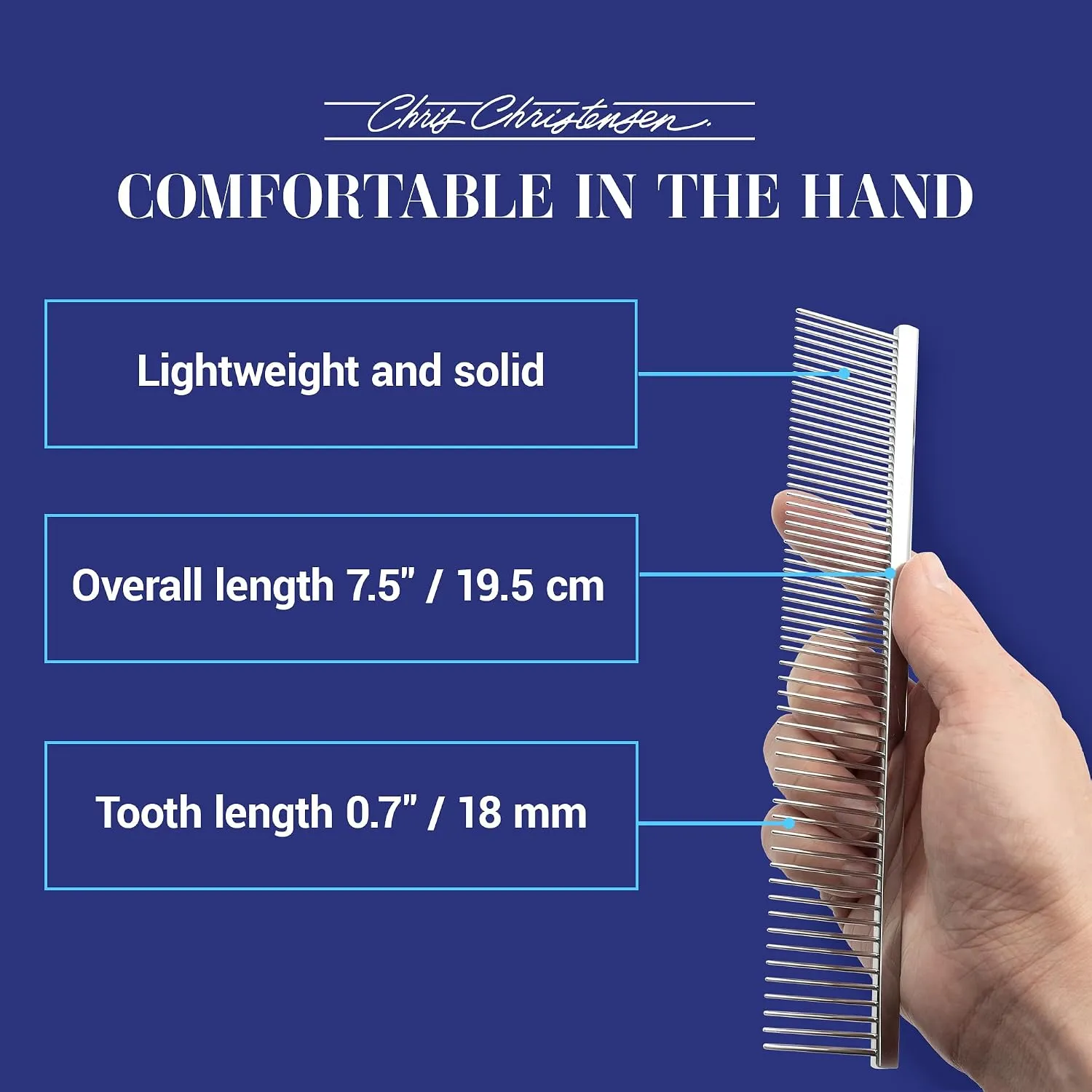
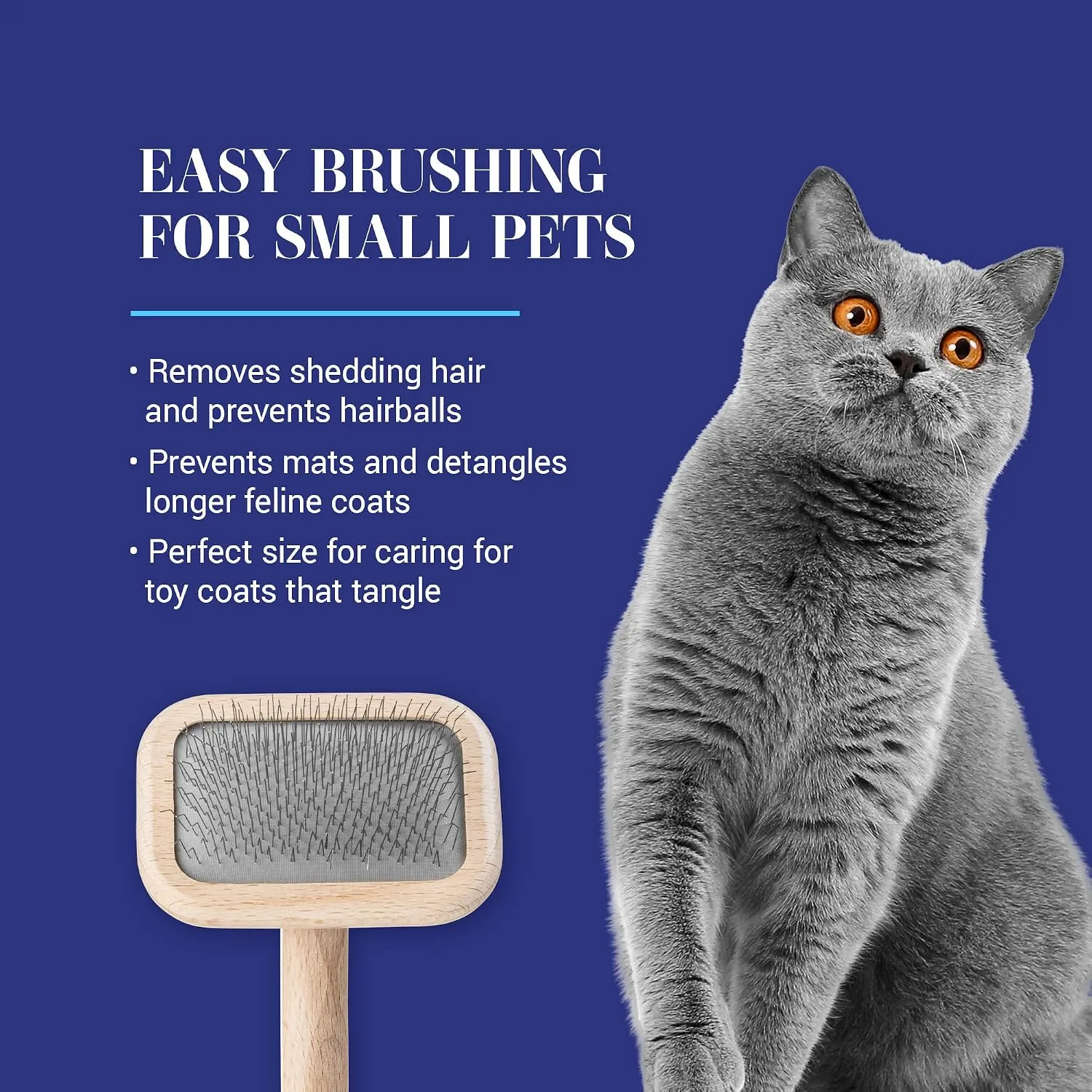
Long-haired cats need more thought because loose hair tangles into the coat. The usual trouble spots are behind the ears, under the front legs, around the collar, along the belly, and near the hindquarters. Work through those areas in small sections with a wide-tooth comb or soft slicker, and check close to the skin, not just the surface.

Never drag a shedding tool through a mat. It tightens under pressure and pulls on the skin. If a small tangle will come apart with your fingers and a comb, go slowly and stop when the cat objects. A tight mat near the skin belongs to a groomer or a vet.
Once the coat is smooth, a cat-safe tool can lift the loose hair. Keep the strokes light. You do not have to clear every strand in one sitting; short, frequent passes are more comfortable than one long fight.
How brushing may help with hairballs
The link between brushing and hairballs is real but not magic. Your cat's tongue grabs loose hair; some passes through, some comes back up. Brushing removes some of that before it gets swallowed, but how much depends on the coat, the cat, and how often you actually do it. Treat it as a maintenance habit, not a guarantee.
Pick a routine the cat tolerates. A relaxed cat might sit through a few minutes a day during heavy shedding; another does better with shorter sessions a few times a week. There is no single number. Watch the coat and skin, and ease off if the cat starts looking irritated.
Pay attention to patterns, not just individual hairballs. Gagging with nothing coming up, repeated vomiting, or a cat that turns lethargic needs a vet, not a sharper brush.
What if your cat resists brushing?
Most cats that fight a brush have a reason: a bad past experience, a sore spot, or just a short fuse. The fix is to make the brush boring and predictable. Leave it on the floor, let the cat inspect it, and reward any calm interest. Another day, touch it once to a spot the cat likes and stop. Always stop before the cat wants to leave.
Build it up a stroke at a time. One or two passes, a treat, then done. If the cat turns away, flicks its tail, flattens its ears, or tenses up, that is your cue to pause. A session that ends after three strokes still counts.
If one format is not working, try another. Some cats take a glove but not a brush; some only let you comb certain spots. If the cat suddenly cannot be touched where it used to be fine, that is a pain signal, not bad behavior. Get it checked.

Frequency, technique, and common mistakes
Let the coat set the schedule. Short-haired cats might need a brush every few days; long-haired cats need more frequent checks for tangles. Ramp up gently during a heavy shed and keep sessions short. More brushing is not automatically better.
- Choose a calm moment. Not while the cat is eating, hiding, or trying to sleep.
- Start where touch is welcome. Cheeks, shoulders, and back usually come before belly and legs.
- Use light strokes. Let the tool do the work; do not dig into the coat or scrape one patch.
- Inspect as you go. Redness, scabs, or hair coming out in clumps means stop.
The usual mistakes: borrowing a dog's undercoat rake without checking, brushing over mats, trying to fix weeks of tangles in one long session, or holding the cat down to finish. A good brush should make the cat calmer over time, not more afraid of you.
How to compare cat shedding brushes
Look at what the brush is actually for: coat length, bristle or tooth material, edge finish, head size, grip, and how you clean it. A smaller head is easier to work around sensitive areas. A glove is easier to introduce; a comb is better for checking long hair for tangles.
Reviews help with the boring stuff, like whether hair comes out of it easily or the handle is comfortable, but stars will not tell you if it suits your cat. Check that it is meant for felines and matches the coat. If you are still unsure whether a deshedding brush for cats is the right tool at all, our deshedding brush guide covers the difference between a surface brush and a deshedding tool. Grooming a dog too? Read the dog deshedding tool guide instead of assuming one product works for both.
Frequently asked questions
What is the best cat shedding brush?
The best one is the tool your cat will sit still for. Start with something gentle that matches the coat: a soft-bristle brush, a rubber tool, or a glove for short hair, and a comb plus a soft slicker for long hair. Fit and temperament matter more than brand.
Do short-haired cats need a cat shedding brush?
Often less than you think. A soft-bristle brush, rubber tool, or grooming glove handles most short coats and lifts surface hair without digging in. During a heavy shed you can brush every few days, but a gentler tool beats a stronger one.
What is the best cat brush for shedding short hair?
A soft-bristle brush or a grooming glove. Both lift loose surface fur without scraping thin cat skin, and the glove works through a motion most cats already accept. Skip wide undercoat rakes built for dogs.
Is a deshedding brush safe for cats?
Yes, if it is designed for cats and used gently. Look for rounded tips or soft bristles, a head you can control in short strokes, and no sharp edges. Never drag any tool through a mat, and stop if the skin turns red or your cat pulls away.