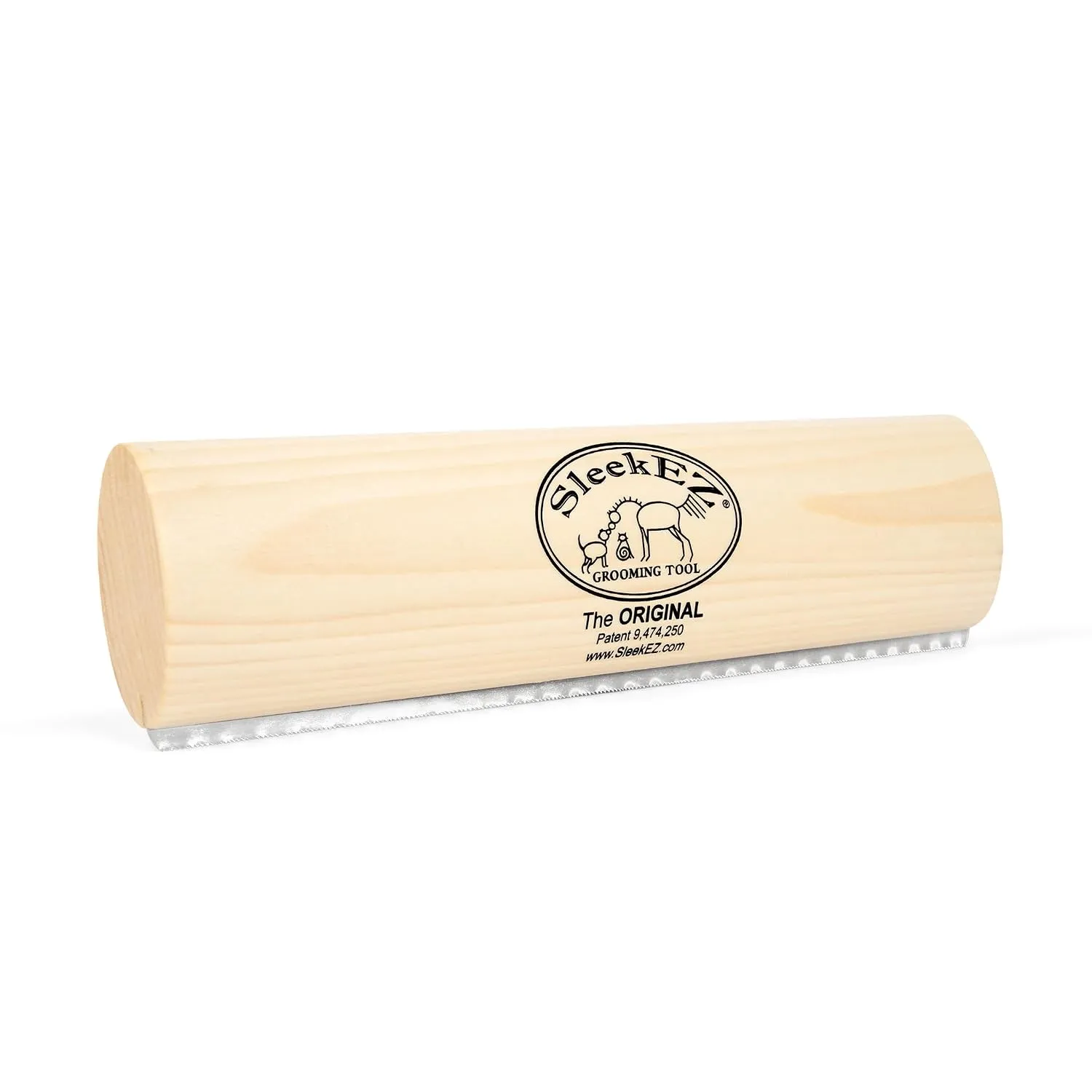
What is a horse shedding blade?
A horse shedding blade is a metal-edged tool for pulling loose hair during the spring coat change. Designs vary: some have a toothed edge, some a smoother edge, and how you use it depends on the exact blade and the horse. Read the instructions first, and do not assume one edge works on every part of the body.
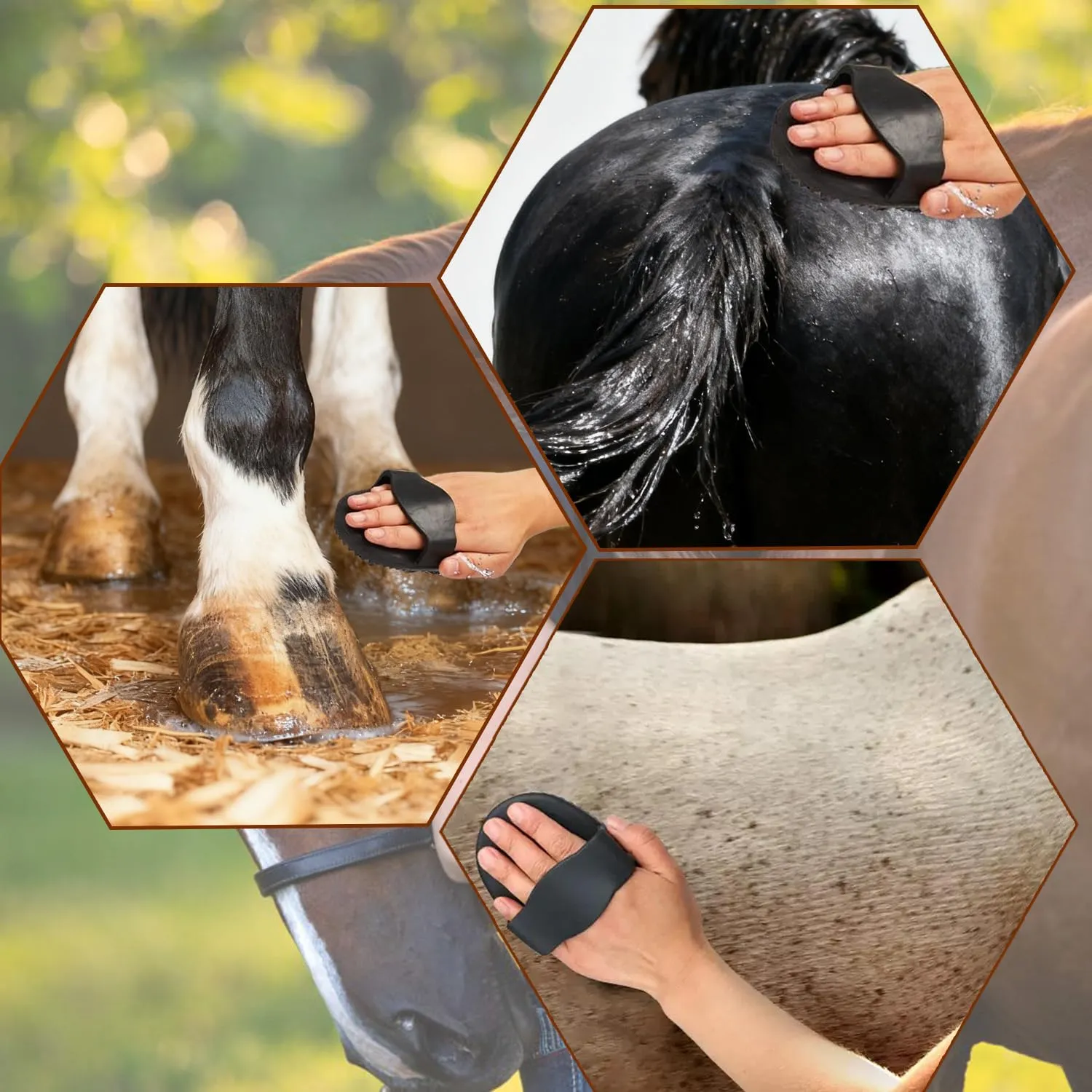
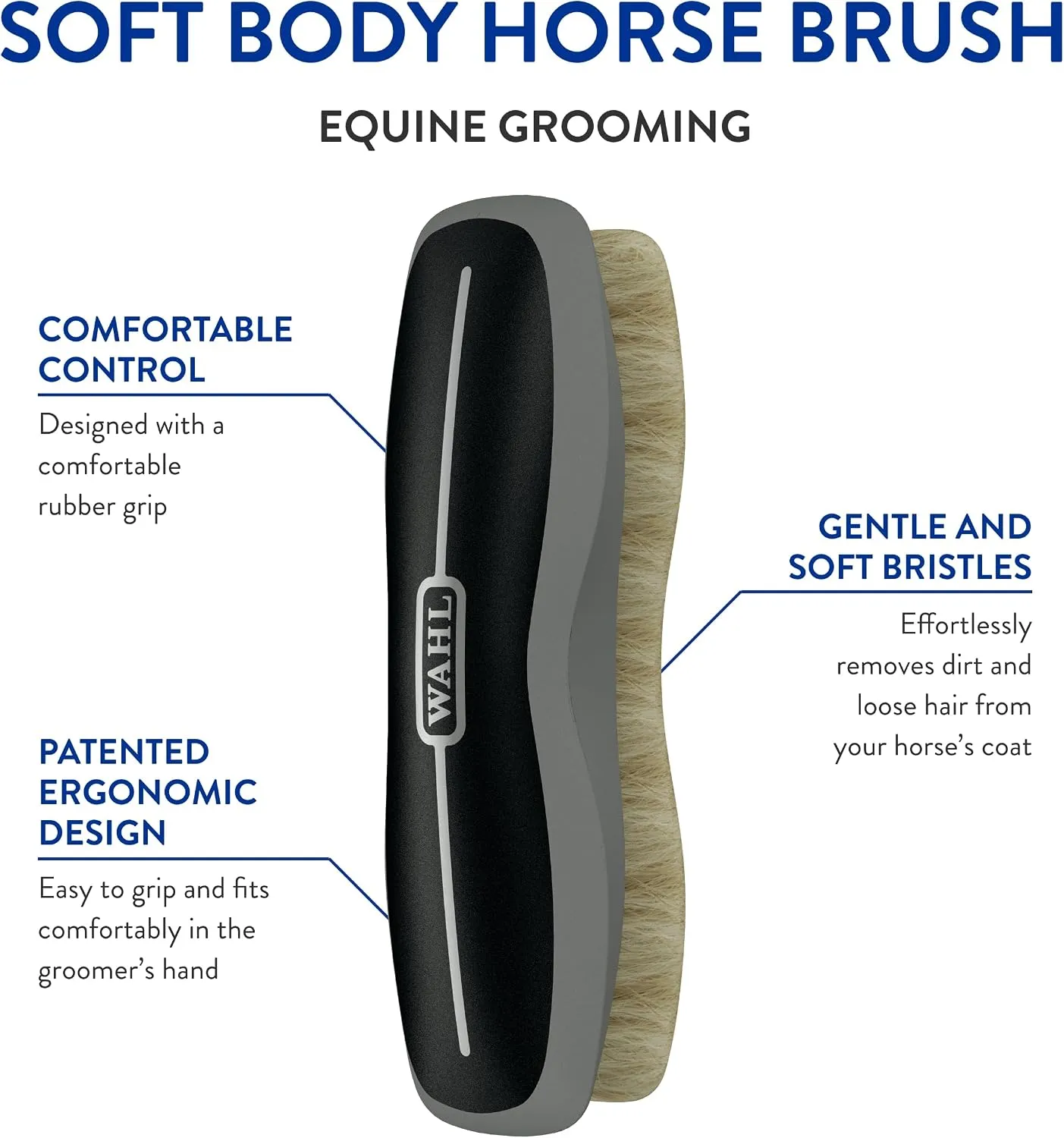
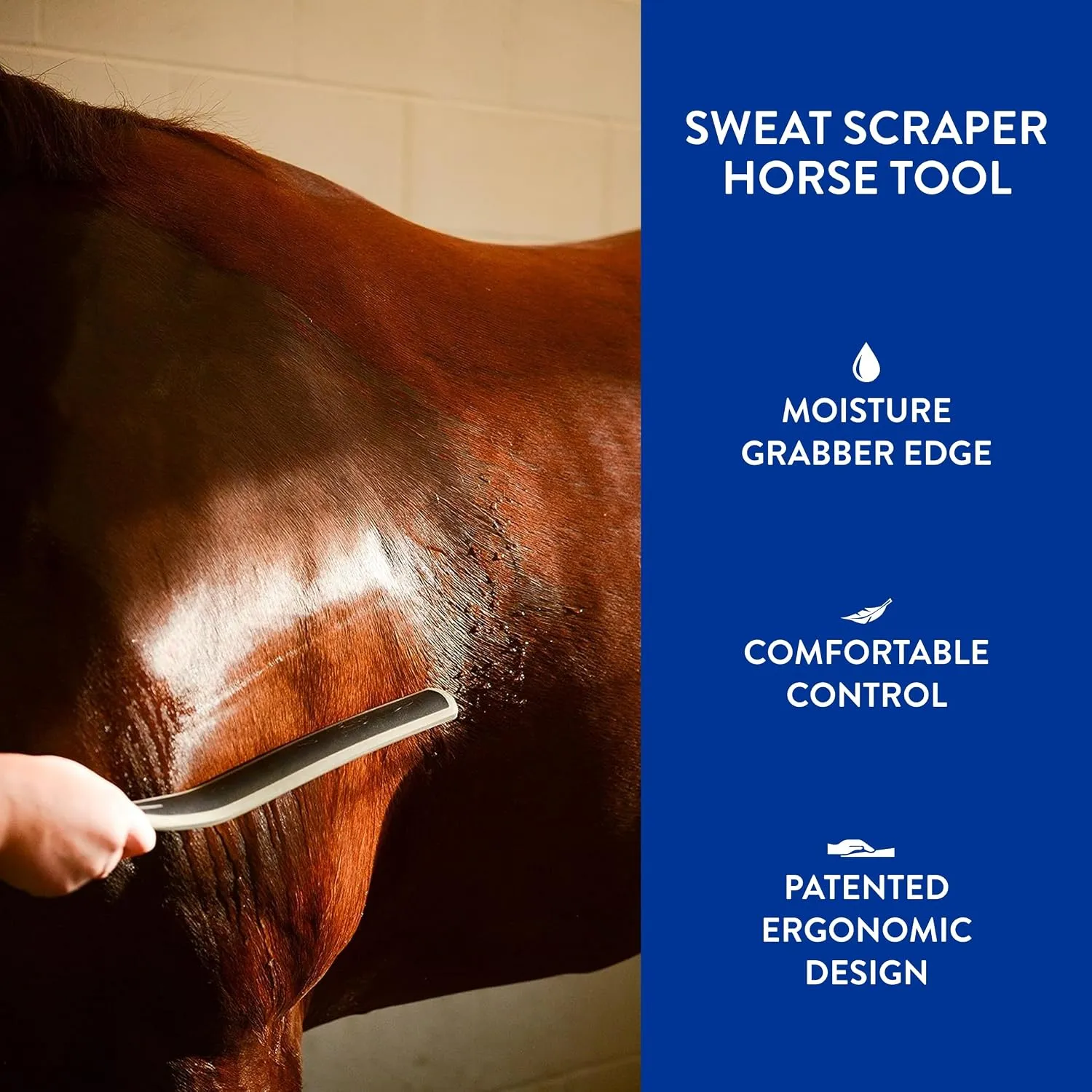
It is not a curry comb, a body brush, or a sweat scraper. A curry comb loosens dirt; a body brush lifts dust and tidies the coat; a shedding blade takes out loose hair; a sweat scraper moves water off the coat after a bath or ride. All four belong in the same kit, but none of them swap for another without a second thought.
Comfort matters more than speed. The point is to collect hair that is already letting go without scraping skin, wrecking a healthy coat, or making the horse wary. If the blade catches, the horse reacts, or you are not sure a spot is safe, stop and ask someone who grooms horses for a living to show you.

Using a shedding blade during coat-change season
Horses grow a thicker coat as the weather cools and shed it as the days lengthen. In spring the hair comes off in clumps: on the tool, on your clothes, on the stall floor. A shedding blade collects it from broad areas once the coat starts to loosen. It does not make the coat change faster, and no single date works for every horse, climate, or barn.
Start with a few light passes where the horse is relaxed and the tool is meant to go. Clear the blade often. Skip the back-and-forth scrubbing. Follow the maker's direction and watch for pinned ears, tail swishing, skin twitching, or a step away. That is your signal to ease up.
Horses shed in stages. One side may be ready while the other is still tight, so do not scrape to make both sides match. A body brush finishes the job, and a curry comb loosens dirt before the blade goes on. If the skin gets irritated or the coat looks damaged, stop and rethink the tool.
Removing dried mud: use the right sequence
Dried mud is annoying, but a shedding blade is not a chisel. Do not dig hardened mud off the skin with it. First check that the horse is comfortable and the area is not sore, swollen, or raw. A curry comb or brush takes off loose surface dirt; firmly stuck mud may need softening or a method an experienced handler can show you.
Use controlled strokes and look at the skin underneath. Mud, sweat, and friction hide irritation, so check bony spots, joints, the face, and lower legs carefully. Keep force and sharp edges away from anywhere the horse reacts. If a patch is warm, swollen, or painful, leave the dirt and deal with the skin first.
Once the loose stuff is off, a body brush gets the last dust. Steady grooming beats waiting until mud has caked on in layers. Clean your tools, watch for bent edges, and store the blade where nobody, human or horse, will get cut.
Horse shedding blade vs. curry comb vs. sweat scraper
Shedding blade
Use a shedding blade for one thing: lifting loose hair when a coat is shedding. The edge is harder than a brush, so keep contact controlled. Some blades have a smooth reverse edge or a different grip for another job; use those only as the maker describes. It is not a universal scraper.
Curry comb
A rubber curry comb loosens dust, dirt, and loose hair and lets you feel changes in the coat through your hand. Most handlers use it before a body brush. Keep the pressure comfortable and stay off bony or sensitive spots unless the instructions say otherwise. Not every horse likes the same motion.
Sweat scraper
A sweat scraper moves water off the coat after a bath or a hard ride. It has a smooth, flexible edge, not teeth. Long, light passes on suitable areas, following the maker's instructions. It is not for dry winter coat or dried mud. If you only need to move water, use a scraper made for that instead of flipping a shedding blade around and guessing.
How to use a horse shedding blade with care
- Prepare the horse. Tie or hold the horse the way your barn does, and make sure the area is calm and the blade is in good shape.
- Check the coat and skin. Look for cuts, swelling, tender spots, debris, or areas where the coat is still tight. Do not scrape damaged skin.
- Start light. Use the tool only where it belongs and in the direction the maker says. No force, no scrubbing, no repeat passes on one patch.
- Watch the horse. Ears back, tail swish, a shift away, or tensing means stop and reassess.
- Finish and inspect. Clear the hair, check the coat and skin, and finish with a body brush if it helps.
Common mistakes with shedding blades
The first is treating every part of the body as if it felt the same. Bony areas, legs, the face, and irritated skin need caution and are often off-limits. The second is pressing harder when the coat does not let go quickly. A shedding blade is not meant to pull out attached hair or scrape down to skin.
It is also easy to mix up a shedding blade and a sweat scraper. Both curve, but the edges and the jobs are different. A toothed edge on wet coat is uncomfortable; a smooth scraper will not pull undercoat. Tools work best when you use them for what they are built for.
Do not let the pile of hair decide how long you keep going. A horse in coat change sheds for days or weeks. Groom in sessions the horse tolerates, clean the blade when it fills, and stop at the first sign of discomfort. Unexplained hair loss, lesions, constant itching, or new sensitivity means a vet, not more scraping.
Build a practical horse grooming kit
A basic kit is four tools: a curry comb to loosen dirt, a shedding blade for loose seasonal hair, a soft body brush to finish, and a sweat scraper for after a bath or ride. Add a hoof pick and a mane-and-tail comb and you are set. You do not need the priciest version of anything; a durable build, a decent grip, and clear instructions matter more than a big collection.
Before buying, check the edge material, flexibility, grip, and how it cleans. Make sure it suits your horse's coat and the areas you plan to groom. Reviews tell you if a handle is comfortable or the tool cleans out easily, but they do not replace the maker's guidance or a demo from someone who knows horses.
Our deshedding brush guide covers how these tools differ across animals. Dog and cat tools also target loose coat, but their sizes and designs are not made for a horse. Buy the tool for the animal and the job, and let the horse's reaction lead the routine.